What Are The New Google Ads Features for 2026?

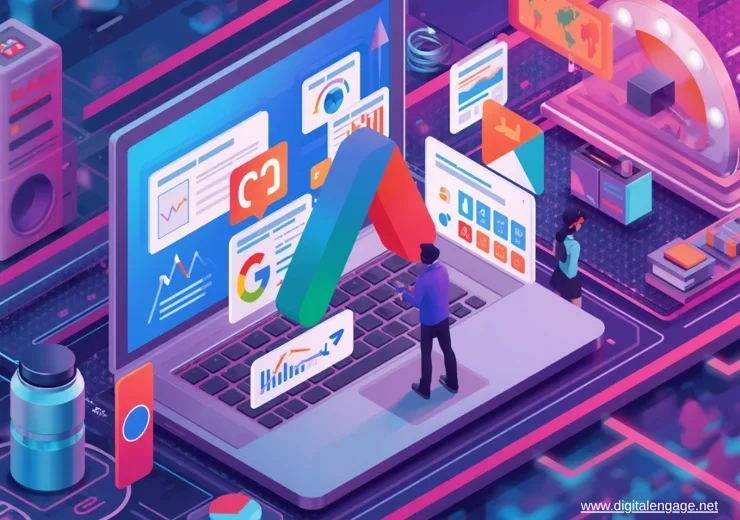
The new Google Ads features in 2026 center almost entirely on Google AI, with Google Marketing Live 2026 introducing:
- Agentic tools
- Conversational ad formats
- Deeper first-party data integration
- A unified interface that connects your Google Ads account to Google
- Analytics and “Google Merchant Center under one AI-driven system
If you run ad campaigns for any kind of business, these updates are not optional reading.
The Big Picture: Google Marketing Live 2026
At Google Marketing Live 2026, Google showcased how Gemini is changing the entire Google marketing process with more practical ads, high-quality creative, and deeply integrated, agentic technology, enabling businesses to grow more rapidly.
The big theme of Google Marketing Live 2026 was integrating disparate AI features to make working between Google properties more fluid, with agentic commerce tools that follow shoppers across Google surfaces and a universal analytics experience that generates actionable insights from wherever you generate data.
If you are an advertiser and managing multiple ad campaigns, this shift toward a connected, AI-powered ecosystem is the single most important development of the year.
Since paid advertising and organic visibility often work together, many marketers are also asking, “What is the 2026 SEO Update, and how may it impact their digital strategy?”
New Ad Formats Built for AI Mode & Google Search
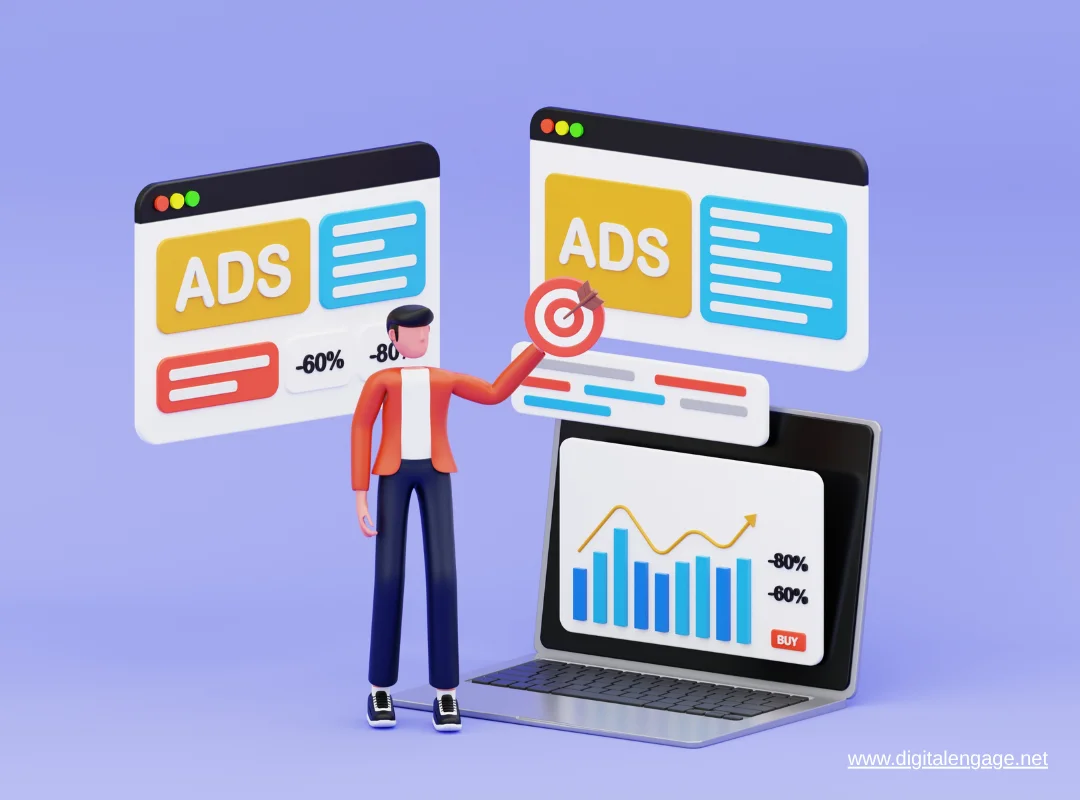
Google Ads unveiled new ad formats built specifically for AI Mode and conversational Google search experiences, including:
Ads in AI Mode
Ads are now integrated into AI-powered search conversations and appear naturally within users’ interactions.
Direct Offers
Exclusive promotions and discounts are displayed when users show intent to purchase.
AI-Powered Shopping Ads
Shopping ads now feature product summaries generated by Gemini, highlighting main features and benefits.
Business Agent for Leads
Users can ask questions directly within the ad and receive answers sourced from your website, creating a more interactive experience of lead generation.
Google is currently testing this lead format in automotive, real estate, and education. The general reaction from marketers is that these new ad formats represent an opportunity. However, adoption will depend on how Google supports advertisers through the rollout.
These conversational search ads mark a shift in how search results pages display advertising, and Digital Engage is already watching how these formats perform across early-adopting accounts. Learn more by contacting us today.
Stay ahead of algorithm changes by exploring how Google’s May Core Update unfolded and what it means for your rankings.
AI Max Turns One & Gets More Powerful
As AI Max turns one, Google is focused on helping advertisers capture even more opportunities in the expanding Google search universe.
AI Max continues to evolve as a suite of features applied directly to search campaigns, using keywordless targeting and broad match keywords together to find converting users that standard keyword lists would never reach.
AI Max uses agentic Google AI to autonomously optimize bids, audiences, and creative assets across search campaigns. For advertisers who previously relied on dynamic search ads to capture untargeted search queries, AI Max is essentially the next generation of that concept. It is far more intelligent and far more connected to the rest of your Google Ads account.
Digital Engage recommends pairing AI Max with clean first-party data and strong negative keyword lists to get the most out of its expanded targeting.
If you are trying to understand the latest platform changes, you may also want to read What Are the New Updates in Google Ads for additional insights into Google’s evolving advertising ecosystem.
Smart Bidding, Journey-Aware Bidding, & Budget Pacing
Journey-aware bidding was announced at Google Marketing Live 2026. This is currently in beta for search campaigns running on Target CPA. The feature requires “Enhanced Conversions for Leads” to be active in your Google Ads account. This update means smart bidding is no longer just reading front-end conversion actions. It’s learning what happens after a form fill or a call, giving the algorithm a signal to optimize against.
New AI-powered bidding and budgeting tools now:
- Meet your goals
- Manage your budgets
- Stay ahead of shifting consumer behavior.
For anyone running performance max or search campaigns at scale, these bidding updates represent a meaningful step forward in budget efficiency.
Performance Max Campaigns & Demand Gen Updates
Demand Generation campaigns now incorporate an A/B testing framework to measure the performance increase gained by adding Demand Generation to an existing campaign mix. This applies to:
- Performance Max campaigns
- Video campaigns
- Google Display Network
- App campaigns
This approach provides you with a direct way to demonstrate the value of Demand Generation, reducing reliance on assumptions.
Demand Gen campaigns on YouTube also received a new “View Through Conversion Optimization” feature. This opt-in setting allows Google Ads to bid using view-through conversion signals. These are the conversions that occur after someone sees a video ad but doesn’t click.
For brands running video ads on YouTube, this is a meaningful improvement in attribution that connects upper-funnel exposure to lower-funnel results.
The discussion around organic search continues to evolve, which is why the question of whether SEO is dead or evolving in 2026 remains one of the most important for businesses investing in online marketing.
Google Tag Gateway, First Party Data, & Google Analytics 360
Google Tag Gateway is now a critical infrastructure tool, and every touchpoint left uncaptured represents a signal gap that slows smart bidding optimization.
Advertisers who implement Google Tag Gateway early will build a compounding advantage as Google AI systems lean harder on first-party data signals.
The Data Manager API centralizes first-party data connections across Google Analytics, Google Ads, and Google Marketing Platform, making it easier to bring in customer lists, offline sales, and other proprietary signals at scale.
Google Analytics 360 has been reimagined with improved measurement and forecasting capabilities. This includes integrating Meridian, Google’s open-source marketing mix model, directly into Analytics 360, along with Qualified Future Conversions, a new predictive reporting metric powered by Gemini.
See how search is shifting by reading about a new era for AI Search and what it means for your digital strategy.

App Campaigns & Google Merchant Center In 2026
App campaigns continue to receive updates across the Google marketing ecosystem, with on-device conversion measurement for iOS apps and unlocked third-party reporting through Integrated Conversion Measurement, giving app campaigns the attribution accuracy they’ve long needed.
“Google Merchant Center” now includes new features that improve product visibility across AI-powered shopping experiences. These updates give retailers more opportunities to showcase their product catalogs within AI-driven commerce experiences and conversational search results.
As Google increasingly uses product data to generate ad creatives and automatically match search queries, maintaining a well-structured “Google Merchant Center” feed and connecting it to Performance Max campaigns has become increasingly important.
Budget planning is another major consideration. For a deeper breakdown of pricing factors, read How Much Do Google Ads Cost in 2026.
Conclusion
The new Google Ads features in 2026 make one thing absolutely clear: the platform is now built around Google AI. Every element of your Google Ads account, from broad match keywords and smart bidding to first-party data and Google Tag Gateway, feeds into an interconnected system. This rewards those who set it up correctly.
Managing search campaigns, performance max campaigns, video campaigns, or app campaigns? Staying current with these changes is how you stay competitive.
The Digital Engage team tracks every update across the Google marketing ecosystem and builds strategies that put these new capabilities to work for real results.
Digital Engage: Make Every Google Ads Feature Work For You
Keeping up with every new Google Ads feature is a full-time job. Digital Engage offers digital advertising, digital marketing, copywriting, analytics reporting, search engine optimization, web hosting, web design, web development, and much more.
Call us today and let’s build a strategy that takes full advantage of everything Google Ads has to offer in 2026.
Frequently Asked Questions
What are the predicted core changes for the May 2026 Google update?
The core changes center on AI content evaluation, deeper user engagement metrics, stronger E-E-A-T signals, and tighter integration between Google Search and AI Mode results.
How can I optimize my website to comply with the May 2026 search engine update?
Focus on publishing experience-backed content, improving the speed of the page, and strengthening your E-E-A-T signals. You should also ensure your website is technically sound with clean, structured data.
How will the May 2026 Google update affect small business websites?
Small businesses with strong reviews, a genuine local authority, and helpful content will benefit. Thin, AI-generated, or low-quality content sites are most at risk of ranking drops.
What are the changes in Google Ads in 2026?
Google Ads in 2026 places a stronger focus on automated creative generation, AI-powered campaign management, conversational search ads, and improved audience targeting across Search, Shopping, and Performance Max campaigns.
What is the most searched question on Google in 2026?
There is no single confirmed most-searched question for 2026. search trends change frequently in response to current events and the region. Popular searches generally focus on entertainment, sports, AI, technology, and major news topics.