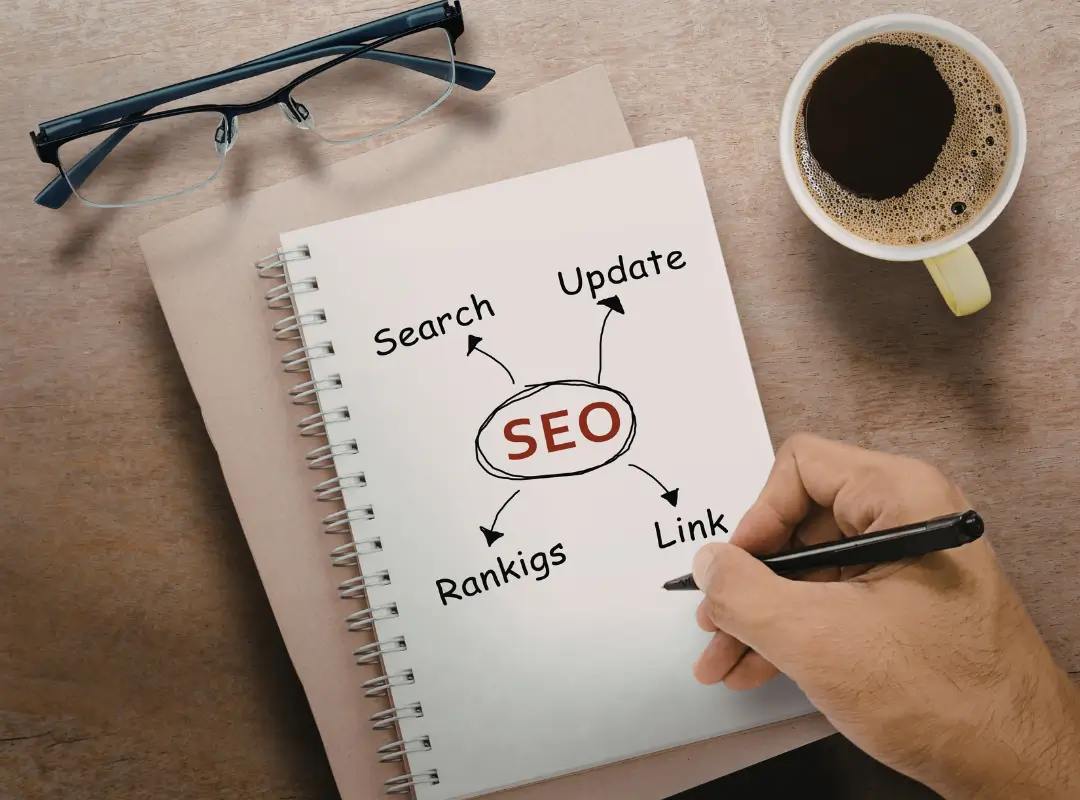
Category: Search Engine Optimization

How To Improve Web Page Visibility

Web page visibility decides how easily people find your site on search engines. Better visibility brings more clicks and potential customers. Businesses compete for attention on search engines like Google every second, and only strong websites reach the top of search results. When your pages appear higher in search engine results, you naturally attract quality traffic that already searches for your services. We will break down tools like Google Search Console and Google Analytics that guide your SEO efforts. Keep reading, because small changes often bring big results when you apply them the right way.

Search Engines & User Intent Drive Every Click

Search engines analyze millions of web pages and match them with search terms people use. You must understand user intent before you write a single line of content. People search with questions, problems, and needs, not just keywords.

You should study relevant keywords and long tail keywords that match your target audience. This step helps search engines understand your web pages and rank them correctly. When you align content with search intent, you increase search engine visibility without wasting effort.

You also need to track search results regularly. Tools like Search Console data show how your pages perform on Google search. You must check impressions, clicks, and keyword rankings often. This habit helps you adjust your SEO strategy with precision.

Smart Keyword Research Builds a Strong SEO Foundation

Keyword research shapes your entire SEO plan. You cannot skip it if you want stable search engine rankings. You should use tools like Google Keyword Planner to find relevant keywords that your target audience actually searches for.

Focus on main keyword placement, but avoid keyword stuffing. Search engines reward natural writing and punish over-optimized content. You should also target long tail keywords because they bring quality traffic with higher conversion chances.

A strong seo strategy includes mapping keywords to pillar pages and individual pages. You should assign one main keyword to each page and support it with related search terms. This structure helps search engines like Google connect your content to the right search queries.

On-Page SEO Makes Your Content Easy to Understand

On-page SEO directly improves website visibility. You should optimize every page with a clear page title and a good meta description. A strong meta title helps users and search engines understand your topic instantly.

You must also write a descriptive meta description text that encourages clicks from search engine results. Keep it clear and direct. Avoid vague wording. Use headings to organize content for better readability. Add relevant keywords naturally inside your web pages, but keep the flow smooth. Search engines reward clarity and structure.

You should also optimize image tags with descriptive alt text. This helps screen readers and improves image indexing. It also supports accessibility, which search engines value.

Technical SEO Keeps Your Website Healthy & Fast

Technical SEO plays a big role in search engine visibility. You should fix broken links regularly because they damage trust and rankings. Search engines reduce visibility when they find too many errors.

Mobile optimization matters more than ever. Most users browse from mobile devices, so your website must load quickly and display correctly on all screens. A mobile-friendly site structure improves engagement and reduces bounce rates.

You should also organize your site structure in a clean way. Search engines crawl better when pages connect logically. Keep important pages close to the homepage and avoid deep navigation layers.

Use tracking tools like Google Search Console to monitor indexing issues. This tool helps you see how search engines crawl your pages. Combine it with Google Analytics to track user behavior and quality traffic.

Content Creation Builds Authority & Trust

High-quality content drives organic traffic. You should focus on valuable content that answers real questions. Search engines rank helpful pages higher than thin or duplicate content. Create pillar pages that cover broad topics in detail. Then support them with blog posts that target specific search terms. This structure improves keyword rankings and strengthens your seo efforts.

You should also avoid duplicate content because it confuses search engines. Each page must offer something unique. Add internal links between related web pages to guide users and search engines smoothly. Use guest blog post opportunities to build authority. Other sites linking to your content increase your credibility. You should also submit your website to online directories to improve website visibility across online channels.

Off-Page SEO Builds Authority Across Other Websites

Off-page SEO strengthens trust outside your website. Quality backlinks from other websites tell search engines that your content holds value. You should focus on earning links, not buying them.

Guest posting works well when you publish on relevant websites in your industry. It helps you reach new audiences and build authority at the same time. Social media also supports SEO efforts. When users share your content, search engines notice engagement signals. This activity improves your search engine rankings over time.

You should also maintain a strong google business profile through Google Business Profile. This step helps local customers find your physical location and improves visibility in Google’s search results.

Tracking SEO Efforts Helps You Improve Faster

SEO never stays still. You must track performance and adjust regularly. Use Google Search Console to study keyword performance and search visibility. It shows which pages rank and which pages need work.

Use Google Analytics to understand user behavior. You can track bounce rates, session time, and conversion paths. This data helps you refine your seo strategy. You should also use Google Ads when you need faster visibility. Paid campaigns support organic seo efforts when you use them together wisely.

Monitor keyword rankings, fix broken links, and update old content regularly. Add new pages when search trends change. SEO rewards consistency, not one-time effort.

Final Thoughts

Web page visibility depends on many moving parts. You need strong keyword research, a clean technical setup, useful content, and consistent tracking. When you combine these elements, you improve search engine visibility in a steady and reliable way. Focus on clarity, not complexity. Search engines reward websites that help users quickly and clearly. Keep improving your content, fix issues early, and stay consistent with your SEO strategy.

Improve Visibility Where It Matters Most With Digital Engage

If your web pages aren’t showing up where your audience is searching, you’re losing traffic every single day. Poor structure and missing SEO signals can keep even good content buried deep in search results. Digital Engage helps improve web page visibility through powerful SEO optimization and technical improvements that make your site easier for search engines to understand and rank. 

Our approach also includes PPC campaign support and analytics tracking, giving you both organic and paid pathways to reach the right audience faster and more effectively. Contact us today for a free consultation and start building web visibility that actually drives leads and growth.

Frequently Asked Questions

Here are some common questions people also ask when they look for SEO services and digital growth support from Digital Engage.

Q1. How does Digital Engage improve web page visibility in Johnson City?

A: Digital Engage improves web page visibility in Johnson City by optimizing keyword research, fixing site structure issues, and creating high-quality content that matches search intent.

Q2. Can Digital Engage help businesses in Knoxville improve search engine rankings?

A: Yes, Digital Engage supports businesses in Knoxville by building strong SEO strategies, improving mobile optimization, and creating relevant content that search engines understand.

Q3. What SEO services does Digital Engage offer in Nashville?

A: Digital Engage provides complete SEO services in Nashville, including on-page SEO, technical SEO, content creation, and backlink building.

Q4. Does Digital Engage use tools like Google Search Console and Analytics?

A: Yes, Digital Engage uses tools like Google Search Console and Google Analytics to track website performance, monitor keyword rankings, and study user behavior. These insights help improve seo efforts and search engine visibility.

Q5. Why should I choose Digital Engage to improve my website’s visibility?

A: Digital Engage builds customized SEO strategies that match your target audience and business goals.

Read More

The Complete Backlink Tracking System

You build links, but do you track them? Many site owners focus on link building and forget to watch what happens next. That gap can cost you rankings. Search engines judge your site based on your backlink profile, not just the number of links you build. If you ignore backlink monitoring, you miss new growth chances. In the complete backlink tracking system, you will learn how to track and improve every link connected to your site. You will also see how to build a personalized process that fits your goals. If you want a system that keeps your search engine rankings steady and growing, keep reading.

Start With a Clear View of Your Backlink Profile

You cannot fix what you cannot see. Begin with a full backlink analysis of your website’s backlink profile. Use trusted seo tools and a solid backlink checker to collect your backlink data. Focus on referring domains and the total number of backlinks pointing to your site.

Look at your complete backlink profile and group links by link type, such as no-follow links and do-follow links. Study your anchor text and run anchor text analysis to spot patterns. Check your domain authority, page authority, and domain rating to understand your position. This step sets the base for everything else.

Use the Right Tools for Backlink Monitoring

Your system depends on your tools. Choose a backlink monitoring tool that offers in-depth monitoring and clear Google analytics. Combine paid and free tools, like a free backlink checker or a bulk backlink checker, for wide coverage.

Set up Google Search Console to track external links, site links, and your links report. It gives direct data from search engines, which you cannot ignore. Add a link visualizer to map your link profile. This visual view helps you spot weak areas and growth zones quickly.
Knoxville SEO Backlink Monitoring Digital Engage

Track New & Lost Backlinks Like a Hawk

Links come and go. You must track new and lost backlinks daily or weekly. A strong system always highlights new links, lost links, and broken backlinks. These shifts impact your search engine rankings fast.

When you find lost backlinks, act fast to reclaim lost link equity. Reach out to the page owner who linked to it and fix the issue. If you spot broken links, use broken link building to replace them with your own content. This simple move often brings quick wins.

Measure Link Quality Over Quantity

Not all links help you. Focus on backlink quality, not just numbers. Study link quality using key metrics like domain rating, spam score, and page authority.

Avoid spammy links at all costs. They damage your link profile and invite negative seo attacks. Run regular checks with a backlink audit tool. If you find harmful links, use the disavow tool to protect your site. Strong, valuable backlinks from trusted linking sites always win over bulk low-quality links.

Build Smart Link Tracking Lists

A good system stays organized. Create link tracking lists to manage your inbound links and outbound links. Group links by campaign, source, and goal.

Track your top linking sites and watch how they perform over time. Keep records of historical backlink data so you can compare growth and decline. This habit helps you see trends and adjust your seo strategy before problems grow.
Digital Engage Backlink Analytics Knoxville

Spy on Competitor Backlinks for New Opportunities

Your competitors leave clues behind. Run competitor analysis and check competitor backlinks to find gaps. Study their linking domains and anchor text.

Use a link intersect tool to find link-building opportunities that you missed. These SEO tools show sites that link to your competitors but not to you. That insight creates new link-building opportunities you can act on fast. Smart tracking turns competitor data into growth.

Fix Broken Links & Strengthen Your Site

Broken links hurt user experience and rankings. Always check for broken backlinks and broken links on your own site. Use tools that scan your website’s link structure and highlight issues.

When you fix broken links, you improve both user trust and search engine rankings. Replace dead pages, update URLs, or redirect links. You can also use broken link building to gain links from other sites by offering better content.

Monitor Link Building Campaigns in Real Time

Every campaign needs tracking. Watch your link-building campaigns with live backlink monitoring. Measure backlink metrics like growth rate, linking sites, and link data.

Check how each campaign improves your rank tracking and traffic. If a campaign fails, adjust your link-building strategies quickly. A strong system keeps your link-building efforts aligned with real results.

Use Backlink Index & Reports for Insights

A detailed backlink index helps you understand your reach. Review your links report often to see what works and what fails.

Track outbound links and external links to ensure your site connects to trusted sources. Watch your complete backlink profile for sudden changes. Reports turn raw backlink data into clear actions you can follow.
Backlink Management System Digital Engage Knoxville

Keep Your Backlink System Updated & Active

A backlink system never sleeps. You must monitor backlinks regularly and update your process. Watch for new or lost links, changes in link type, and shifts in link quality.

Stay alert for negative seo attacks and remove harmful links fast. Keep testing new tools, methods, and ideas. The more active your system stays, the stronger your results become.

Build a Process That Works for You

Build a system that fits your goals, niche, and resources. Combine backlink monitoring tool features and smart planning.

Focus on steady growth. Track your link profile, improve backlink quality, and chase the right link-building opportunities. Over time, your website’s backlink profile will grow stronger and more reliable.

Take Control of Your Backlinks ASAP

Backlinks drive your rankings, but only if you manage them well. A structured system gives you control over your backlink profile, protects your site, and uncovers new growth paths. When you follow the complete backlink tracking system, you start making the right moves. You track every link, fix every gap, and build a process that supports long-term success.

FAQs

If you are planning to improve your backlink strategy, these common questions can guide you further.

Q1. How does Digital Engage help businesses with backlink tracking in Nashville?

A: Digital Engage builds a complete tracking system for businesses in Nashville. Our team monitors backlinks, analyzes link quality, and improves your backlink profile using proven methods.

Q2. Can Digital Engage manage backlink monitoring for companies in Johnson City?

A: Yes, Digital Engage offers full backlink monitoring services in Johnson City. We track new and lost backlinks, fix issues, and help you reclaim lost link equity.

Q3. What makes Digital Engage different for SEO services in Knoxville?

A: Digital Engage focuses on data-driven strategies in Knoxville. We use advanced backlink analytics and link-building campaigns to improve rankings.

Q4. Does Digital Engage help with removing spammy links?

A: Yes, our team runs backlink audits, identifies spammy links, and uses the disavow tool to protect your site from negative SEO attacks.

Q5. Can Digital Engage create a custom backlink strategy for my business?

A: Absolutely. Digital Engage builds a personalized SEO strategy based on your goals, industry, and backlink data to ensure steady growth and better search engine rankings.

Monitor Your Backlinks & Rankings with Digital Engage

Lost or low-quality backlinks can quietly erode your search rankings, traffic, and authority. Digital Engage offers a complete backlink tracking system that checks link quality and uncovers link-building opportunities. We combine that with our SEO audits and competitor analysis, and you get a full view of your website’s actionable insights to improve performance. We also offer web development services for responsive web designs

Contact us today for a free consultation and start tracking every link that matters to your website’s success.

Read More
devnew April 7, 2026 0 Comments

SEO Services For Dentists & Why Most Dental SEO Campaigns Fail

When it comes to niche marketing, you cannot use a one-size-fits-all method. Dental practices need a focused plan that fits their exact services and patient needs. In this blog, seo services for dentists, why most dental seo campaigns fail, and we will break down what truly works and what goes wrong. We will also explain what makes a dental clinic stand out in today’s competitive dental market. If you want to avoid costly mistakes and build a campaign that brings real results, keep reading. The difference between success and failure often hides in small details.

Generic SEO vs Dental SEO

Many dental clinics rely on generic search engine optimization methods. That approach creates a weak foundation. Dental SEO requires a tailored approach that speaks directly to dental patients. Patients search for very specific dental services like dental implants or an emergency dentist. If your SEO strategy does not reflect those needs, your practice appears in the wrong search results.

You need to focus on relevant keywords and clear service pages. A strong dental SEO plan improves search visibility and attracts potential patients who already need your services. Without that, you waste time and effort on the wrong audience.

Ignoring Local SEO Is a Costly Mistake

Local SEO plays a significant role in patient acquisition. Many dental practices ignore this and lose valuable traffic. Patients search for the best dentist near them, not across the country. If your dental clinic does not show up in local search results or Google Maps, you miss easy wins.

You must optimize your Google Business Profile and keep your business profiles updated. Add correct details, working hours, and contact information. Encourage happy dental patients to leave reviews. Positive reviews build patient trust and improve local visibility. Choose local SEO services from agencies like Digital Engage and start the outreach journey in your locality.

Weak Google Business Profile Setup

Your Google Business Profile acts as your front door in the digital age. Many dental clinics set it up once and forget it. That leads to missed opportunities. A poorly managed profile hurts your online visibility and search rankings.

You need to post updates, add photos, and respond to reviews. Use proper categories and include all dental services. This simple step helps your practice appear higher in local search results and improves patient engagement.
SEO for dentists by Digital Engage Nashville

Poor Keyword Research Leads to Wrong Traffic

Keyword research drives the entire SEO strategy. Many dental SEO campaigns fail because they target broad or irrelevant search terms. That brings traffic but not new patients.

You must focus on how patients search. Use terms like emergency dentist, dental implants, and location-based keywords. Creating hyperlocal content improves your reach. It helps you connect with people who actually need your services.

No Focus on Mobile Optimization

Most patients search on mobile devices. If your dental websites load slowly or break on smaller screens, users leave quickly. That increases bounce rates and hurts SEO rankings.

Mobile optimization is not optional anymore. A fast and responsive landing page improves patient engagement and appointment bookings. It also sends strong ranking signals to Google.

Low-Quality Website Content Hurts Rankings

Content quality makes or breaks your campaign. Many dental clinics use thin or copied website content. That lowers search visibility and damages patient trust.

You need content creation services that answer real patient concerns. Explain procedures, costs, and benefits in simple terms. Use engaging potential patients as your goal. Strong content keeps users on your site and improves your website’s visibility.

Missing Technical SEO Basics

Technical SEO often gets ignored. Broken links, poor meta tags, and slow load times create serious issues. These common SEO mistakes push your site down in search results.

You need to fix errors regularly. Monitor your website using Google Analytics. Make sure your pages load fast, and your links work properly. These small fixes play a big role in long-term success.

No Clear Conversion Strategy

Traffic alone does not bring growth. Many dental SEO campaigns fail because they lack a clear plan for patient acquisition. If users visit your site but do not book, you lose potential value.

You need strong service pages and clear calls to action. Add simple appointment booking options. Use call tracking to measure results. Focus on creating a high-converting website that turns visitors into new patients.
Dental SEO campaign Nashville Digital EngageOver-Reliance on Paid Ads
Many dental practices depend too much on the paid advertising funnel. Paid ads bring quick visibility, but they stop working when the budget ends. SEO services offer a more cost-effective solution over time.

You should balance paid ads with organic SEO efforts. A strong SEO strategy builds long-term online presence and reduces customer acquisition cost. It also improves the lifetime value of each patient.

Ignoring Online Reviews & Reputation

Negative reviews can harm your growth if you ignore them. Many dental clinics avoid dealing with feedback. That creates trust issues.

You should respond to every review, good or bad. Ask satisfied patients to leave reviews. This improves patient trust and strengthens your online presence across online directories and social media platforms.

Lack of Data Tracking Means Flying Blind

Running a campaign without data feels like flying blind. Many dental SEO campaigns fail because they do not track performance.

Use Google Analytics and call tracking tools. Measure traffic, conversions, and user behavior. This helps you adjust your SEO strategy and fix problems early.

No Hyperlocal Content Strategy

Hyperlocal content gives you a strong edge. Many dental practices skip this step. That limits their reach in local search results.

You should create content specifically designed for your area. Talk about local events, community topics, and location-based services. Creating hyperlocal content improves your local visibility and helps your practice appear for nearby searches.

Common Mistakes That Hold Dental SEO Back

Let’s quickly recap the biggest mistakes:

  • Ignoring local SEO
  • Poor keyword research
  • Weak content quality
  • No mobile optimization
  • Broken links and technical issues
  • No tracking or analytics
  • Overuse of paid ads

These critical mistakes reduce your search visibility and limit growth.
Digital Engage SEO strategy for dentists in Nashville

The Right Way to Build a Winning Campaign

Successful dental SEO requires a personalized approach. You need a plan that fits your dental clinic audience. Combine strong content creation, technical SEO, and local SEO. Use data to guide your decisions. Stay active on your Google Business Profile and social media platforms. When you follow the right steps, your SEO services bring more patients, better engagement, and steady growth.

Frequently Asked Questions

Before you move forward, here are some common questions about how Digital Engage supports dental practices:

Q1. How does Digital Engage help dental practices in Nashville grow online?

A: Digital Engage builds custom SEO strategies for dental practices in Nashville. Our team focuses on local SEO, keyword research, and content creation to bring more patients and improve online visibility.

Q2. Can Digital Engage improve my dental clinic’s rankings in Johnson City?

A: Yes. Digital Engage improves SEO rankings for clinics in Johnson City by fixing technical issues and creating hyperlocal content that targets nearby patients.

Q3. What makes Digital Engage stand out in dental SEO?

A: Digital Engage uses a strategy specifically designed for the dental industry. The team focuses on patient acquisition and high-quality website content for clinics.

Q4. Does Digital Engage manage Google Ads and SEO together?

A: Yes. Digital Engage balances paid ads with SEO efforts.

Q5. How does Digital Engage track results for dental SEO campaigns?

A: Digital Engage uses Google Analytics and performance tools. This ensures every campaign stays data-driven and avoids missed opportunities.

Avoid Costly Dental SEO Mistakes with Digital Engage

Many dental practices invest in SEO only to see little improvement in new patient leads. Digital Engage offers expert SEO services for dentists, including local search engine optimization and content strategy. We give your clinic the advantage of higher search rankings and measurable patient acquisition. Contact us today for a free consultation and see why our customized SEO strategies outperform typical campaigns.

Read More
devnew April 7, 2026 0 Comments

What Is Remarketing in Google Analytics

Ever visited a website, looked at a product, and then seen ads for that same product while scrolling through another page later? That’s not a coincidence—it’s remarketing with Google Analytics. This strategy helps businesses re-engage people who previously interacted with their website. Understanding remarketing in Google Analytics can change how you run ads and connect with your audience online. Let’s look into how the Google Display Network, Google Analytics, and Google Ads work together to create remarketing campaigns that bring back potential customers. Let’s get into it.

What Remarketing Means in Google Analytics

At its core, Google Analytics remarketing lets you track website visitors and show them targeted ads across Google platforms. By using data from your Google Analytics account, you can identify people who’ve visited.

  • Certain pages
  • Added items to a cart
  • Engaged with your content
  • And then reach out to them later using Google remarketing ads.

When you connect your Google Ads account and Google Analytics, you gain useful insights about the behavior of your visitors. This helps you build remarketing audiences—groups of users who are more likely to convert because they’ve already shown interest.

How Remarketing Works in Google Analytics

To understand remarketing in Google Analytics, let’s break it down step by step.

When someone visits your website, a small piece of code known as a “remarketing tag” or “Google Ads remarketing tag” is triggered. This tag tracks user activity and sends the data to your Google Analytics account.

Then, you can use this data to build a remarketing list that contains

  • Your target users
  • People who have already interacted with your site in some way

Once your remarketing lists are created, you can show remarketing ads to these users through Google Ads campaigns, including search ads and the Google Display Network.

The Connection Between Google Analytics & Google Ads

To make Google Ads remarketing work properly, your linked Google Ads and Google Analytics accounts must communicate with each other. Linking them lets data flow both ways, helping you design more brilliant remarketing campaigns.

Once connected, you can:

  • Import audiences from Google Analytics into Google Ads.
  • Use behavior data to fine-tune your Google Ads campaigns.
  • Measure conversions and engagement more precisely.

This connection also lets you use dynamic remarketing, which shows ads featuring services or products users previously viewed on your website.

Building Remarketing Audiences in Google Analytics

An important step in Google Analytics remarketing is creating remarketing audiences. These are the specific user groups you want to re-engage. You can build audiences based on different factors, such as:

  • Users who started checkout but didn’t complete it.
  • Returning visitors who haven’t purchased yet.
  • Users who visited a certain product page.
  • Users who spent a set amount of time on your site.

These remarketing audiences can then be imported into your Google Ads account for targeted advertising.

For example, if you run an online store, you can create a custom audience for visitors who viewed your “Bags” category but didn’t buy. You can then use Google remarketing ads to show them the latest bag deals or new arrivals.

Setting Up a Google Remarketing Tag

To start remarketing with Google Analytics, you’ll need a Google Ads tag or Google Remarketing Tag installed on your site. This tag collects visitor data and allows you to track engagement.

Here’s a simplified process:

  1. Sign in to your Google Ads account.
  2. Go to “Audience Manager.”
  3. Create a remarketing tag or remarketing list.
  4. Install the Google Ads remarketing tag on every page of your website.

Once the tag is active, it will begin collecting useful data about your website visitors, which you can later use for remarketing campaigns.

Using Audience Manager in Google Ads

The audience manager is where your remarketing lists live, and this is where you’ll organize, update, and analyze your audiences. You can categorize lists based on user actions, behavior, and demographics. By doing this, you can:

  • Run more targeted remarketing campaigns
  • Show different Google remarketing ads to each segment.

For example:

  • Promote a new collection to past purchasers.
  • Show a discount ad to those who abandoned their carts.
  • Run search campaigns targeting users who recently visited your products or services page.

This level of targeting gives your ads more engagement as well as more relevance.

How Many Types of Remarketing Campaigns Are There

Google Ads Remarketing offers multiple types of campaigns, each serving a unique purpose:

Standard Remarketing

Shows remarketing ads to previous website visitors as they browse apps or websites in the Google Display Network.

Dynamic Remarketing

Displays ads featuring specific services or products users viewed before, powered by your Google Remarketing tag.

Search Remarketing (RLSA)

Search Remarketing lets you show tailored search ads to users who previously visited your site when they perform related searches.

Video Remarketing

Targets users who interacted with your YouTube channel or videos.

Each type of remarketing campaign lets you reconnect with your target users in a different way, increasing your chances of conversion and sales.

Creating Remarketing Ads in Google Ads

Once your remarketing audiences are ready, it’s time to create remarketing ads. These ads should speak directly to your audience’s interests and remind them why they visited your website.

You can design ads that highlight:

  • Special offers
  • Discounts
  • New arrivals
  • Product updates
  • Custom messages based on user behavior

When combined with dynamic remarketing, your ads automatically display the exact pages or items your visitors viewed earlier. Make sure to connect your Google Ads campaigns to the correct remarketing list and enable ad personalization so Google can serve the most relevant content.

The Role of Dynamic Remarketing

Dynamic remarketing is a powerful part of Google remarketing as it takes personalization to another level by automatically showing users ads that feature the exact products they interacted with.

For example, if someone browses a garment streamer on your website, they might later see Google remarketing ads displaying those same garment streamers with a discount offer. This precise targeting often leads to higher engagement and conversions.

Dynamic remarketing uses your Google Ads remarketing tag to pull data from your service or product feed and match it with user behavior data from your Google Analytics account.

Benefits of Remarketing with Google Analytics

Implementing Google Analytics remarketing offers multiple benefits:

  • Reconnects with users who are interested.
  • Increases brand recall across search campaigns and Google Display Network.
  • Targets users at different stages of the buying process.
  • Maximizes the value of every visitor who lands on your website.

When used strategically, Google Ads remarketing can be a game-changer for your business if you want to convert casual browsers into paying customers.

Final Thoughts

Understanding what remarketing is in Google Analytics helps you take advantage of one of the most powerful marketing tools available today in the digital marketing world. By connecting your Google Analytics account with your Google Ads account, you can

  • Track user behavior
  • Build remarketing audiences,
  • Run personalized remarketing campaigns that re-engage past visitors.

From installing the remarketing tag to using Audience Manager, every step strengthens your online presence and helps you reach people who already know your brand. Remarketing with Google Analytics allows you to turn previous visitors into loyal customers.

Call Digital Engage for Remarketing Campaigns & More

Call Digital Engage today because we can help your business grow through smart digital marketing strategies and optimized digital tools. Our services include reputation management, local map SEO, paid marketing, social media advertising, web design, web development, web hosting, logo design, branding, and more.

Let us help you set up Google Ads Remarketing, manage your Google Analytics, and create practical remarketing ad campaigns that bring actual results. Give us a call today and start turning your website visitors into loyal customers.

Read More
digitalengage blog October 27, 2025 0 Comments

Why Is SEO Audit Important?

There is no doubt that SEO Audit is essential. The question here is “why is it important?” The same reason is why a financial audit of a company is essential. You know where your resources are being used and which components require your attention. An audit involves reviewing on-page elements, backlinks, content, and any other factors that influence search engine rankings to provide accurate assessments. 

Better On-Page SEO

If you have a strong on-page SEO, you’ll never have to worry about website indexing. Conducting regular SEO audits is a crucial practice that ensures a top search engine ranking. By detecting outdated content or issues that affect user experience, SEO audits help keep websites at the top of search results.

SEO audit tools should provide an efficient data presentation with metrics relevant to the success of your site. They also provide recommendations that you can follow to increase SEO performance.

Screaming Frog provides an intuitive and user-friendly platform for evaluating website pages. Its features include backlink analysis, keyword research, and competitor analysis, as well as crawl error checking and optimization of pages for featured snippets.

Better Keyword Analysis

An SEO audit provides the perfect way to maximize website improvement by carefully evaluating its:

  1. On-page optimizations
  2. Off-Page profile
  3. Technical SEO framework
  4. Backlink profile
  5. User experience and overall UX
  6. URL Structure

This thorough assessment provides digital marketers and web developers with a clear picture of the strengths and weaknesses in their website’s architecture. Hence, this opens up possibilities for strategic enhancements or adjustments that can improve user engagement and experience.

Content Analysis with Regular SEO Audits

Content quality is of utmost importance in SEO, and an SEO audit ensures that it remains engaging, informative, and tailored towards meeting the needs of your audience. Even the best content can lose its edge over time if it isn’t regularly reviewed and updated. That’s where content analysis as part of an SEO audit comes in.

By running regular audits, you can:

  1. Identify Underperforming Pages: Spot which pages aren’t driving traffic or conversions and refresh them with updated information.
  2. Find Content Gaps: Discover topics your competitors cover but you don’t.
  3. Improve Readability: Optimize formatting, headings, and internal links to enhance the user-friendliness of your content.
  4. Update Keywords Naturally: Adjust content to target current search terms without keyword stuffing.
  5. Enhance E-E-A-T: Strengthen expertise, experience, authoritativeness, and trustworthiness through better references and supporting evidence.

Improve Page Speed & Website’s Performance Metrics

An attractive website draws users in, but the site’s performance must also meet the requirements of search engines. A SEO audit helps identify issues such as slow loading speed and mobile compatibility that negatively impact both user experience and search engine ranking.

Establishing clear, measurable goals at the start of an SEO audit ensures that the final report provides actionable insights aligned with your business objectives. For instance, if your goal is to capture People Also Ask placements, an SEO audit will identify relevant keywords commonly entered into PAA boxes by searchers.

Conducting regular SEO audits can uncover opportunities to boost visibility and increase organic traffic to your site, giving your competitors a competitive edge. But the real trick lies in acting upon those opportunities to increase organic traffic.

Backlink Profile for Search Engines Algorithm

A strong backlink profile is like a token of trust from reputable websites. Conducting a backlink audit can help identify high-quality links and enhance your SEO strategy, while disavowing low-quality or spammy ones that may negatively impact search results.

Moz, Ahrefs, and Majestic can assist with conducting a broken links audit by providing information about each site’s backlinks, including quality and toxicity assessments. They can also identify opportunities for growth to help boost SEO performance, allowing you to focus on creating valuable content that satisfies search engines 

Competitor Analysis for Local SEO

Competitor analysis enables digital marketers, web developers, and business owners to more accurately assess their own websites and implement targeted strategies that yield results. Plus, performing competitor analysis can help you avoid search engine penalties. You can detect outdated practices that should no longer occur.

Higher Conversion Rates

Website content that aligns with search intent attracts the right audience, resulting in higher click-through rates and increased conversion rates. An SEO audit evaluates keyword optimization to ensure title tags and meta descriptions are clear, engaging, and optimized for mobile searches.

An optimized website delivers an exceptional user experience and boosts conversion rates. An audit checks for factors like large JavaScript files, unnecessary image files, and site structure to ensure your website is optimized and user-friendly.

An SEO audit can provide valuable insight that you can implement immediately to increase search rankings and traffic to your site, and identify opportunities to gain high-quality backlinks while disavowing spammy ones that compromise its credibility.

Improved Search Engine Optimization

Search engine rankings are crucial for a website’s success. Performing regular SEO audits with tools such as Google Search Console (formerly Google Webmaster Tools) and SEMrush will help identify opportunities to boost visibility and organic search traffic to your site.

An SEO audit encompasses multiple factors that can impact your search engine rankings, including on-page SEO, competitive analysis, and user experience. Additionally an audit can identify any technical issues that need addressing, helping search engines better understand your website and improve its visibility on search engine results pages.

Final Thoughts

An SEO audit is a roadmap for growth. It shows you where your website stands, what’s holding it back, and what you can do to climb higher in search rankings. The best part? SEO audits aren’t a one-time task. Search engines update their algorithms, competitors improve their strategies, and user behaviour changes over time. Hence, your website needs regular tune-ups to stay competitive.

Boost Your Rankings With a Professional SEO Audit

Digital Engage doesn’t just run audits; we create action plans. Our SEO experts thoroughly examine every aspect of your website, from technical SEO and on-page elements to content performance, backlink quality, and competitor insights. The result? A clear, prioritized roadmap you can use to fix what’s broken, improve what’s working, and uncover untapped opportunities to grow your traffic. So, contact us now!

Read More
digitalengage blog October 20, 2025 0 Comments

What Is SEO Indexing? A Breakdown for Curious Website Owners

If you’ve ever Googled your own website and come up empty-handed, you’re not alone. The mysterious behind-the-scenes magic that determines whether your site appears on Google is called SEO indexing. It’s a term that’s thrown around a lot in the world of search engine optimization. Still, most people outside the SEO bubble aren’t 100% sure what it actually means. So, what is SEO indexing, really? Is it something only tech wizards should care about? Nope. If you run a blog, sell handmade candles, or have a digital portfolio, this affects you. Let’s walk through it together.


First Things First: What Is SEO Indexing?

Think of SEO indexing as the process where search engines (like Google, Bing, or Yahoo) save and organize information from web pages so that it can show up in search results when someone types in a query.


Imagine the internet as a massive library, and your website is a new book. SEO indexing is how Google puts your book on the shelf (aka the search engine’s index) so it can be found when someone is looking for a specific topic.


If your site isn’t indexed, it’s like your book never made it to the shelf. No matter how great the content is, search engine crawlers won’t serve it up in results. That means no traffic, no visibility, and lots of frustration.


How Do Search Engines Discover Your Pages?

It all starts with search engine crawling. This is the process where bots (aka web crawlers, search engine bots, or search engine spiders) scan the internet for new or updated pages.

Here’s how it works:


  1. Search engines discover new websites or pages through internal links, external links, or submitted sitemaps.
  2. Their bots “crawl” the page.
  3. They analyze the content, structure, and other details.
  4. If all looks good, it gets added to the search engine’s index.


Pretty simple, right? But here’s where things get interesting; not all pages get indexed.


Why Some Pages Don’t Get Indexed (And How to Fix It)

There are several reasons why your page might not be showing up in search engine results. Here are a few common ones:

  • The search engine crawlers haven’t discovered it yet.
  • Your site has duplicate content.
  • Your robots.txt file is blocking it.
  • No internal links are pointing to the page.
  • You forgot to submit the page via Google Search Console.


If you want to make sure search engines are actually seeing your pages, you can use the URL Inspection Tool in Google Search Console. It tells you whether a page is indexed, when it was last crawled, and if there are any issues.


What Is the Indexing Process Like?

Let’s dig deeper into how the indexing process works:

  1. Search engines find your site (either through links, sitemaps, or manual submissions).
  2. They crawl your pages.
  3. They render (visualize) them, like a browser would.
  4. They extract data: text, links, images, meta tags, etc.
  5. Then they add it to their database (aka the index).


From here, your page is ready to appear in search engine results pages (SERPs), depending on how well it matches search queries.

So, Can Search Engines Index All Pages?

Can search engines index every page on your site? They can, but they won’t if:

  • The content is too similar to other pages.
  • It’s blocked by your robots.txt.
  • It doesn’t offer quality content.
  • It’s hidden behind search forms.


Also, suppose you have multiple pages that are too similar. In that case, Google may pick one as the “main” version using a canonical tag. That way, search engines don’t waste time indexing irrelevant pages.

Need an SEO provider to get your website pages indexed quickly? Contact us today!


Tools to Help With Website Indexing

Luckily, you don’t have to guess whether your site is being indexed. Tools like:


  • Google Search Console
  • Google Search Central
  • The URL Inspection Tool
  • Your crawl stats report

… can help you monitor your search performance, see how many pages are indexed, and request re-indexing if needed.


If you just added new pages or made changes to your own site, you can hit “Request Indexing” inside the Search Console. This tells Google, “Hey! Something’s new here. Take a look!”


Telling Search Engines About Your Pages

Submitting an XML sitemap is one of the fastest ways of telling search engines about all the pages on your site. Most platforms like WordPress generate one automatically.

But don’t stop there. Make sure you also:


  • Add internal links.
  • Acquire other websites (also known as inbound links) that link to you.
  • Keep content updated.


These are search engine ranking signals that tell Google your site is alive and well.


Ecommerce Sites & SEO Indexing

Running an online store? Ecommerce websites often have tons of product pages, which can create chaos for search engine bots. If you’re not careful, bots might skip important products or get stuck on duplicate content.


Here are some great tips to keep in mind:


  • Keep product descriptions unique.
  • Use canonical tags for variations.
  • Link key products from the homepage.


How Google Determines What to Show

Once your page is indexed, Google uses a bunch of factors to figure out if and where it should appear in search engine results. This includes:


  • The search queries people use.
  • How well your content answers those queries.
  • How many sites are linking to yours?
  • Whether it matches user searches.


Bottom line: just getting indexed doesn’t mean you’ll be on page one. But it’s the only way to get in the game.


Common Myths About SEO Indexing

  1. “If I publish it, Google will find it right away.”


Not always. You need good internal linking, a solid sitemap, or even a manual nudge.


  1. “Indexing equals ranking.”

Again, nope. Think of indexing as entering a race. Ranking is winning it.


  1. “Only homepages matter.”

Your entire website matters. Blog posts, product pages, and contact information all help build your presence.


Final Thoughts: What You Should Do Now

So now that you know what is SEO indexing, here’s a little checklist to keep your site in tip-top shape:


  • Set up Google Search Console.
  • Submit a sitemap.
  • Use internal links to connect your content.
  • Watch your crawl stats report.
  • Update old content.
  • Don’t block important pages with your robots.txt.
  • Add a canonical tag where needed.
  • Focus on quality content.


Understanding how search engines work doesn’t have to feel like decoding the Matrix. Just keep your website tidy, accessible, and human-friendly. That way, when Google visits, it knows exactly what to do.


Call Digital Engage for Professional SEO Services 

The search optimization landscape is constantly evolving, and it takes strategy and expertise to rank on Google’s Page 1. That’s where Digital Engage can help you. Our professionals are expert in website support services, reputation management, SEO, social media management, and paid search advertising, to help you reach your target audience.

So if you’re ready for top Google rankings, get in touch with the seo providers at Digital Engage! Call (615) 997-0736 now and book your free consultation! 

Read More
digitalengage blog August 21, 2025 0 Comments
seo, search, engine, optimization

Types of Backlinks Worth Building In 2025

You’ve been creating great content, fixing technical issues, and checking all the SEO boxes, but your rankings still won’t move. The problem might not be your content at all. It’s likely your backlink profile. In 2025, search engines are more concerned than ever with quality backlinks from reputable sites. We’ll break down the types of backlinks worth building in 2025. Why do backlinks matter, and how to make them part of a real SEO strategy that works. Keep reading!

Why Backlinks Still Run the SEO Game in 2025

Before we dig into the types, let’s talk about why backlinks matter in the first place.

Backlinks tell search engines that other websites trust your content. They act like votes of confidence. When those links come from reputable websites, they pass what we call link juice. Link juice is what helps improve your domain authority, boost your search engine rankings, and drive organic traffic.

Bad links can kill momentum. Low-quality links, manipulative links, or those from spammy directories can tank your site. If your backlinks don’t meet the mark, your rankings won’t either. So, that makes link building the backbone of real SEO.

Want Google’s Trust? Start Earning Editorial Backlinks

Editorial backlinks are the ones you earn when a journalist, editor, or blogger links to your content naturally within a news article or blog post. You don’t have to request an editor to do so; they link to you because your content is truly valuable.

These editorial links come from reputable sites and are often provided as Dofollow backlinks, which means they pass authority to your domain. They tell search engines your content is link-worthy and trustworthy.

Want to get these? Focus on creating valuable content, publishing original data, and offering insights others want to cite.

Guest Posts That Work (And Get You Quality Links)

Guest post backlinks let you tap into other websites’ audiences while earning a strong backlink in return. Write a blog post for a relevant and reputable blog, and include a link back to your site. This works best if you place it within the body(as a contextual link) or in your author bio.

But here’s the catch: not just any guest post will do. Your content needs to be relevant and offer something unique and valuable. That’s how you avoid looking like you’re just there for the link. When done right, guest posting is a win-win. You get referral traffic, build credibility, and strengthen your backlink profile all at once.

How Podcast Appearances Can Secretly Boost Your SEO

Not enough people are talking about podcast backlinks, and they’re missing out. When you’re a guest on a podcast, most hosts link to your website in the episode notes section.

These are often high-quality links from niche-relevant websites or platforms. It’s also a great way to build genuine relationships with industry experts and tap into new audiences. Plus, podcasts build trust in a way written content can’t.

Press Release Backlinks in 2025

A well-written press release published through a legitimate wire service can lead to backlinks from major media sites. These links may be Nofollow, but they still help build your brand and boost search engine visibility.

But beware: poorly written press releases sent to low-end distributors can attract low-quality links that do more harm than good. This strategy only works when the content is newsworthy and picked up by reputable websites.

The Secret Weapon Behind Every Strong Backlink Profile

These are links placed naturally within relevant, high-quality content. Contextual backlinks are embedded in meaningful content and provide real value to the reader. You can use them in guest posts, editorials, and resource pages.

Search engines love these because they appear natural and help users find relevant resources. A contextual link from a high domain authority site can work wonders for your rankings.

Quick & Effective Testimonial Backlinks

Most companies display testimonial backlinks on their homepage or resource pages with a “dofollow” link back to your website. This method builds relevant links, improves your backlink profile, and helps create genuine relationships. And it’s easy, you’re just giving honest feedback about a service you already use. Side note: If you ever purchased promising services from a business, write them a testimonial.

Which Online Directories Are Still Worth Your Time?

There’s still value in directory backlinks, but only when done right. Submitting your business to online directories like Yelp, Crunchbase, or niche-specific platforms can give your site a search visibility boost.

Make sure the directories are legitimate. Avoid link farms or directories filled with broken links and irrelevant content. That’s a red flag to search engines.

Engaging With Forum & Community Backlinks

When done right, forum backlinks from sites like Reddit, Quora, or niche communities can bring in organic backlinks and referral traffic. But don’t just drop your link and leave, that’s spam.

Engage in the conversation and answer questions. Then, if your content genuinely helps, link to it. This helps build links naturally and shows search engines that you’re active in your space.

Using Broken Link Building in The Modern Era

This strategy never gets old. Identify broken links on relevant blogs or resource pages, then contact the site owner and suggest your content as a replacement.

It’s simple: You’re helping them fix a problem while earning a valuable backlink. That’s what we call a win-win. Tools like Ahrefs or Screaming Frog make this process easier by scanning for broken outbound links on relevant websites in your niche.

Use Reciprocal Links, But With Caution

A reciprocal link is where two websites agree to link to each other. It can work if the relationship is natural and the content aligns. But overdoing it, especially in an apparent tit-for-tat pattern, can raise red flags.

Use this method sparingly and only with highly relevant partners. Make sure the linking site is trustworthy and that the content helps both audiences.

Why Social Media Backlinks Still Matter

While most social media backlinks are Nofollow, they still drive visibility and traffic. Sharing your link-worthy content across platforms increases the likelihood that a blogger or journalist will link to it.

Think of them as the first step in the chain. They help you reach a wider audience, which can lead to organic backlinks in the future. If you’re not already using these platforms to your advantage, learn more about the importance of social media marketing.

Here’s What To Avoid When Building Backlinks

Google continues to crack down on manipulative links, spammy paid backlinks, and shady SEO tactics. In 2025, your backlink strategy should focus on building genuine relationships, earning trust, and creating content that people want to share.

Avoid black-hat tricks. Focus on relevant links from trusted, authoritative sources. Also, what your web developer does can make a real difference in boosting page traffic, which supports stronger backlink performance over time.

The Only Backlinks That Matter in 2025

Backlinks matter, but only the right kinds. If you want to improve your search engine rankings, grow organic traffic, and boost your site’s trust, then you need to understand the types of backlinks worth building in 2025. Every backlink on your page should serve a real purpose. No shortcuts. No tricks. Just smart, focused link-building strategies that tell search engines your site is trusted, valuable, and worth ranking.

Digital Engage is Your Go-To Backlink Partner in 2025

Google ranking is more competitive than ever, and here at Digital Engage, we understand the challenge. With years of experience in the digital marketing space, we use proven strategies to help your business stand out to the people actively searching for your services. So contact us if you’re someone who needs results for their website. Let’s book your free consultation now!

Read More
Laptop Technology Corporate Business Teamwork Branding Concept

How Can I Know If My Blogspot Blog Is Authentic?

So you’ve created a blog on Blogspot. That’s a great start. But now you are thinking, how can I know if my Blogspot blog is authentic? Don’t worry because you’re not alone. There are countless blogs online. Some are active. Some are not. Some are real. Others just float around unseen. If you want your blog to show up on Google,  appear in search results, and speak to your target audience, you need to check a few things. Let’s go step by step.


Search for Your Blog on Google

Start with a quick check. Open Google Search. Type this:

site:yourblogname.blogspot.com


This search will tell you if your website is visible to search engines or not. If your blog shows up, that’s a good sign. If it doesn’t, your blog post might still be new or need a little work.


Use a Custom Domain

Using a custom domain makes your blog post look more professional. It also helps with search visibility. Instead of sticking with a long .blogspot.com address, you can use your own domain name. Something like yourblog.com feels more trustworthy.


Write High-Quality Content Consistently

To stay authentic, you need to write consistently high-quality content. Don’t just post blogs to fill space. Think about what your readers want. What do they actually search for? What problems can you solve?


If your blog post teaches, entertains, or helps, people will always come back. Search engines also love solid content. Keep your writing original, clean, and clear.

Check Your Content in Google Search

Type the title of your blog post into Google. Or take a line from the post and search for it. If your blog shows up, that means your content is being indexed. This is great news.


If it doesn’t, give it some time. Revisit the post, and make sure that you’re using keywords. Also, check if the topic is clear. Use your own content, not copied text.


Avoid Duplicate Content

This is super important. Don’t copy and paste from other websites at all. Don’t spin articles. Search engines are very smart now. They know when content is copied.


To build trust, use your perspective and your voice. Share your personal ideas. Write real articles. This helps your blog grow. It also helps you build authority in your niche. So give some time and put more effort into writing the content. It will pay off soon.


Keep Your Blog Active

A good blog is an active one. Keep hitting “new post” and keep publishing. Update older posts when needed. Reply to comments if you get them. Share your articles with your friends, colleagues, your family or on other platforms.


The more active your website is, the more likely it is to get noticed by search engines.


Use Google Search Console

This free tool is your best friend if you are a blog writer. It shows if your site is being crawled. It shows how your pages rank in search. It also tells you if any manual actions could affect your blog.


Connect your blog post to the Search Console. It gives you direct feedback from Google about your content.

Link to Your Other Posts

When writing a new blog post, add a few links to your old posts. This is a great strategy and creates a strong internal link structure. It also helps your visitors spend more time on your website. The longer people stay, the better your page looks to search engines. And this way, you will be ranked higher on the search engines.


Add Essential Pages to Your Site

Create an About page, add a Contact Us page, and include a Privacy Policy. These additions demonstrate that your blog is real and trustworthy, highlighting your seriousness. Many legitimate websites have these pages, and yours should, too. 


Writing these pages is a piece of cake since you are a writer and can easily produce them; just make sure that they reflect your voice and feel personal. The key is to be original, so embrace your uniqueness as much as possible.


Format Your Blog for Easy Reading

Use headings. (H1, H2, H3, and H4 if needed). Break paragraphs into short chunks. Add some space between thoughts. No one wants to read a wall of text.


Good formatting keeps your readers on your page. It helps with SEO, too.


Compare It to a WordPress Blog

Look at the WordPress blog that is popular in your niche. Study how they write the content. 


Check how their site looks. What kind of images are they using? How do they structure their posts? All this will help you a lot, and you will realize that there are many things that you should not do.


Keep on doing this, and you’ll get great ideas for your own Blogspot blog.

Avoid Spammy Practices

Don’t add links to sketchy websites. Don’t write fluff just to fill space. Don’t use clickbait titles. These things hurt the image of your blog. They make you look fake.


Stick to real links. Mention trusted brands like Wal Mart real news sources. Keep your content natural and real.


Share Your Blog Outside of Google

Don’t wait for traffic. Go get it. Post your articles on Linkedin, Facebook, or any other platform. 


Share them in Reddit threads. Email them to friends. Link them in your bio. The more you share your blogs, the more people visit. That traffic signals to search engines that your blog is worth showing in results.


Focus on a Clear Topic

Blogs that try to talk about everything usually go nowhere. Stick and focus on one theme. Music. Movies. Travel. Parenting. Tech. Food. Fashion. Make that your focus.


It helps your target audience know what to expect from your content. It also helps your content rank higher in search engine results.


Track What Works & What Doesn’t

Keep an eye on the topics that draw people in. Use simple tools to study traffic on your website. 


Which posts get the most views? Which articles rank in search results? Let your readers guide your blogging journey. Use that information to plan your next blog post.


Final Thoughts: Is Your Blogspot Blog Authentic?

So, back to our original question — how can I know if my Blogspot blog is authentic? Ask yourself:


  • Can people find my blog on Google Search?
  • Does it show up in search results when I type the title of my blog post?
  • Am I writing my own content and updating regularly?


A real blog is visible and active. It has a purpose. It has readers, and it grows over time.


So, Keep posting. Keep learning. Keep improving.


That’s how your Blogspot blog becomes one of the countless blogs that stands out from the crowd.


Call Digital Engage for SEO-Rich Content & Web Excellence

If you have a business in any industry—food, healthcare, fashion, education, home services, clothing, entertainment—and you need blogs for your website, you require an expert team. Call Digital Engage if you need SEO-rich content.


We are also experts in websites, which include hosting, design, and development, along with branding, logo design, social media management, reputation management, and much more.


Call us now to learn how our content can be a game-changer for your brand.

Read More

Best Backlink Tracking Techniques

Backlink management requires close monitoring of links pointing back to your site, with insight into their quality and relevance for growth opportunities. With these backlink tracking techniques, you can weed out harmful ones while discovering opportunities to expand.

Some tools offer an intuitive interface for monitoring backlinks and providing information on link status and anchor text. It also features a feature to disavow spammy links that could compromise SEO efforts.

Why is a Backlink Important?

Backlinks are crucial for SEO because they signal to search engines that a website is reputable and authoritative. When other sites link to your content, it indicates value and relevance, boosting your search engine rankings. Quality backlinks help increase visibility, drive organic traffic, and improve domain authority.

They also establish trust with both search engines and users, which can lead to higher click-through rates and conversions. The more high-quality, relevant website backlinks, the better its chances of ranking higher in search results, making backlinks a key element in digital marketing and SEO strategies.

Use Google Search Console for Monitoring

Backlinks are one of the primary ranking factors in search engines, making monitoring them essential to measuring SEO efforts, disavowing spammy links, and refining content and link-building strategies.

  • This free tool gives you direct insight into which links point directly to your website and any toxic or lost backlinks that need fixing.
  • Before using GSC to monitor backlinks, there are some things you should keep in mind.
  • Google Search Console (GSC) provides the simplest method of monitoring backlinks.
  • Google Search Console counts each click on an individual URL as one click compared with Google Analytics, which counts them as unique pageviews; this can cause inaccurate data.

Furthermore, GSC doesn’t show details regarding links with duplicate titles or URL parameters, so for more accurate and detailed data, it would be best to utilize an alternative monitoring tool like Backlink Watchdog.

Set Up Alerts for New Backlinks

There are different types of backlinks and it’s important to track each and every one of them. Ahrefs offers an online backlink tool that automatically monitors your website for new links and notifies you if there are any changes. This provides an excellent way to ensure your backlink profile remains healthy.

Set alerts for keywords important to your business SEO. This will enable you to monitor industry trends and identify link-building opportunities. For instance, if an article covers an area related to your niche that can serve as an ideal link-building opportunity, reach out directly and ask the author for permission before pitching him or her with your request for link inclusion.

Monitoring backlinks is key to keeping SEO campaigns running smoothly, yet tracking all new links can become time-consuming. With a backlink monitoring tool, you’ll get email and browser alerts whenever they change, and you can also track competitors’ backlinks easily so as not to miss new linking opportunities!

Track Referring Domains with Tools

Tracking referring domains is one of the oldest and most valuable link-building techniques. A referring domain refers to any website that links back to you; more than quantity matters here because its quality can affect search engine rankings. For instance, a domain with many low-quality backlinks may even lead to Google flagging it and possibly lead to penalties from their search algorithm.

Majestic and Ahrefs provide tools that enable you to analyze referring domains. With metrics such as trust flow, citation flow, and domain authority available, these tools allow you to assess their high-quality links. It would help if you focused on selecting high-quality referring domains with strong domain authority that are pertinent to your niche and follow or unfollow links based on SEO authority, as these will allow more accurate evaluation.

Monitor Anchor Text Distribution

Exact match anchors are great for quickly getting pages to rank, but their overuse could result in penalties from search engine algorithms. Therefore, it’s wiser to combine partial matches, brand anchors, and LSI keywords; this helps establish contextual relevance for the link and helps Google better comprehend its context.

Monitoring anchor text distribution is a crucial element of an effective backlink strategy. You want to ensure that the backlinks come in from relevant sites and use different kinds of anchor texts to rank your website well in search engines.

Using a backlink tracking tool such as SE Ranking will allow you to monitor your backlinks effectively and identify which are working and which aren’t. Take care to use it regularly so you can track changes to your backlink profile and take appropriate actions as necessary.

Analyze Your Business Competitor Backlink Profiles

Monitoring backlinks can be done in various ways. One approach is using Ahrefs to examine and compare competitor links with your links.

Sometimes, studying your competitors’ backlink profiles can provide invaluable insights into their link-building strategies. This process, known as competitor analysis, can help you find opportunities to discover backlinks and develop a more accurate and effective Off-Page SEO strategy.

For example, you might examine a competitor’s DA and DR scores to gauge how they rank on Google and whether this could be improved on your website. You could also investigate their linking sources, such as news sites and domains.

Check Backlink Quality & Relevance

Evaluating link quality is important as part of your link monitoring efforts. High-quality backlinks should include the following links with descriptive anchor texts from authoritative websites; additionally, they should be placed in editorial sections instead of sidebars or footers and feature exact-match and generic keywords for maximum impact.

Relevance is of the utmost importance when considering the quality of backlinks. Google considers sites relevant to your niche to be experts on that subject matter and may rank them higher in search results.

SE Ranking offers an easy way to analyze your and competitors’ backlink profiles and identify any issues that need disavowing, such as broken or harmful links. Ahrefs provides another resource that lets you assess competitor links—enter any URL into its “Backlinks” section to access a full list of all the referring domains and pages that link back.

Conclusion

Monitoring broken backlinks is crucial for maintaining a healthy and high-ranking SEO strategy. By consistently checking backlink quality and relevance, you can strengthen your website’s authority and maximize the impact of your link-building strategy for long-term growth.

Maximize Your Online Impact with Digital Engage

Take your digital presence to the next level with Digital Engage. Our comprehensive suite of services includes everything you need to boost your online visibility and drive results. From SEO and paid search to social media management, reputation management, branding, and logo design, we’ve got you covered. 

Plus, our website hosting, web support, and local map SEO services ensure that your online presence remains strong and competitive. Contact us today to get started!

Read More

What Effect Does SEO Have on Your Search Results & Business Success?

Understanding the impact of Search Engine Optimization (SEO) on search results and business success is important for any company that is aiming to thrive online. SEO is one of the most important aspects of digital marketing strategies, improving a website’s visibility on search engine results pages and driving additional organic traffic. Let’s delve deeper into the effects of SEO!

Understanding Search Engine Optimization

Having a clear understanding of SEO and how it works is important when looking to improve SEO strategies. Learn more: 

Definition & Role of SEO in Digital Marketing

Search Engine Optimization (SEO) is the process of improving a website’s visibility in search engine results pages (SERPs). 

As a primary pillar of digital marketing, SEO plays an important role in boosting a business’s online presence, driving traffic, and generating leads and sales. By establishing authority and building trust with customers, SEO positions businesses as the leaders in their industry.

Benefits of SEO for Businesses & Entrepreneurs

SEO significantly improves visibility and search engine rankings, making it easier for potential customers to find your offerings. It drives web traffic, with the top organic result on Google being exponentially more likely to receive clicks than lower-ranked pages. 

SEO also demonstrates authority, with Page Authority (PA) becoming increasingly important to both search engines and users. Furthermore, SEO improves user experience by improving site usability creating seamless and positive customer interaction.

Importance of SEO in Online Success

SEO is not a quick fix but a long-term process that requires continuous effort and optimization for sustained success. A robust SEO foundation helps businesses establish industry leadership and build customer trust. To stay competitive and improve their online visibility, businesses must prioritize SEO as an essential component of their digital strategy.

How Search Engines Work

Understanding how search engines work is important to boost your business, read more: 

Understanding Website Ranking and Display Mechanisms

Search engines like Google use intricate algorithms to evaluate websites and assess their relevance to specific search queries. SEO ensures that your site aligns with these algorithms by targeting appropriate keywords, including long-tail variations. High-quality content is crucial, as it addresses searchers’ questions and delivers genuine value.

Planning and Executing SEO Efforts

Research is fundamental to SEO, encompassing understanding search engine mechanics, conducting keyword research, and analyzing competitors. 

An effective SEO strategy involves setting clear goals and developing a plan to achieve them. Keyword research is vital to make sure that your content aligns well with your target audience’s search intent.

Implementing Effective SEO Strategies 

Once the research is complete, it’s time to implement SEO strategies. Utilize tools like Google’s Keyword Planner to identify specific keywords relevant to your business and market. Integrate these keywords naturally across your site, including in title tags, meta descriptions, headers, and content body.


Technical Optimization for Better Website Performance

Technical SEO is akin to fine-tuning a car’s engine; when optimized, your website runs faster, performs better, and is more accessible to search engines. 

Site speed is important for user experience and can directly impact search rankings. Optimizing images, reducing server response times, and minimizing unnecessary code are essential steps.

Content Optimization for Improved Rankings

In SEO, content must cater to two audiences: humans and search engines. Generative engine optimization (GEO) is an emerging specialty within content optimization. High-quality content boosts a website’s ranking and attracts more traffic.

SEO Specialties & Local SEO for Targeted Results

SEO includes several subgenres, including technical, content, and off-site SEO. Local SEO makes sure that your business appears in searches for services or products in a specific area. Focusing on long-tail keywords can be transformative for small businesses due to lower competition and specificity.

Measuring SEO Success

Tools & Metrics for Evaluating SEO Performance

Monitoring your SEO efforts is crucial for maximizing strategy effectiveness. Tools like Google Analytics and Google Search Console provide insights into keyword rankings, click-through rates, bounce rates, and conversion rates. Regularly reviewing metrics allows you to refine your approach, target new keywords, and improve content quality.


Analyzing & Reporting on SEO Performance

Measuring SEO is essential for improvement, involving analysis, assessment, and reporting. SEO requires ongoing effort, and the right tools, strategies, and data lead to long-term success. Mastering the SEO journey demands continuous optimization.

SEO Journey to Digital Prominence

SEO serves as a compass, map, and guiding star in your digital quest. Embedding keywords, quality content, and backlinks is vital for success. Regular measurement, analysis, and refinement of your SEO strategy are essential for achieving online success.

The Role of SEO in Digital Marketing

Here are some of the roles of SEO in digital marketing!

Building Trust & Enhancing User Experience

High organic search rankings indicate authority and relevance, fostering trust among internet users. Appearing on page one, especially in top positions, increases brand credibility and website visits. SEO drives clicks and traffic through relevance rather than paid advertising.

Distinction Between Paid & Organic Searches

Paid search involves using advertising dollars to boost website visibility in SERPs. Organic search refers to natural website rankings based on relevance, authority, and best SEO practices. Both paid and organic search are integral components of a complete digital marketing strategy.

SEO for Small Businesses & Entrepreneurs

SEO works wonders for businesses of all sizes, whether you’re running a small startup or a large enterprise!  If you’re an entrepreneur , here are some key benefits of SEO that can help you get noticed, and grow your brand online.


Learning & Developing SEO Skills

Learning SEO involves reading, attending events, experimenting, and staying updated with the latest trends and practices that are related to SEO and search engines. 

Resources like Search Engine Land’s SEO materials, including articles and newsletters, can aid in learning. Developing SEO skills requires continuous effort and optimization for success.

Recommended SEO Resources

Search Engine Land’s Periodic Table of SEO helps visualize essential elements for an optimal strategy. Experimentation, such as building websites and testing tactics, is one of the best ways to learn SEO. Mastering the SEO journey requires ongoing effort and optimization.

Off-Page SEO & Its Impact

Here are some impacts of off page SEO for your business of any size!

Backlink Building & Content Creation

Off-page SEO involves external optimization practices beyond your site. Building quality backlinks from external sites signals to search engines that your site is of use and high quality. Content creation is important for attracting and engaging target audiences.

Enhancing Website Authority & Rankings

Off-page SEO focuses on external factors influencing search rankings. Building trust and authority with your website’s users and search engines is important. Link building is a powerful off-page technique, signaling valuable content to search engines across the web.


Technical SEO & Website Performance

Technical SEO is important for helping search engines understand and index website content. It involves optimizing website architecture, speed, mobile optimization, and other technical elements to boost rankings and drive traffic. 

A well-optimized site with fast loading times and a mobile-friendly design helps to improve user experience, signaling to search engines that the site deserves higher rankings. This can help greatly when users are looking for your website.

Get Expert SEO Services & More At Digital Engage

At Digital Engage, we offer a complete suite of SEO services to improve your website’s visibility and performance. Our expert team specializes in keyword research, ensuring your content aligns perfectly with your target audience’s search intent. We also provide technical SEO improvements, optimizing your site’s architecture and speed to boost search engine rankings. 

Additionally, our content creation services focus on delivering high-quality, relevant content that helps you attract and engage your audience better. Ready to elevate your online presence? Contact Digital Engage today and let us help you achieve SEO success!

Read More